

When Sorry Is Not the Hardest Word – Apology And Gift Card Bring Human Rights Complaint To An End
 By: Michelle Quinn
The Facts
In Duke v. Sobey’s, 2018 BCHRT 283, Brianne Duke (“Ms. Duke”) filed a human rights complaint against Sobey’s West Inc. (“Sobey’s”) after one of its employees approached Ms. Duke while she was grocery shopping and told her an inappropriate joke referencing sex. She alleged that this behaviour amounted to discrimination on the basis of sex contrary to section 8 of the BC Human Rights Code (the “Code”).
Prior to her complaint to the BC Human Rights Tribunal (the “Tribunal”), Ms. Duke had sent a letter to Sobey’s describing what happened to her at the store and she requested an apology and gift card totalling $250.
Sobey’s promptly conducted an investigation into the incident, and disciplined the employee who acknowledged that the joke was inappropriate. Within less than two weeks of the incident, Sobey’s sent Ms. Duke an email with an apology and offered to provide her with a $250 gift, as she had requested.
The Decision
Sobey’s applied to the Tribunal to have Ms. Duke’s human rights complaint dismissed. The question before the Tribunal Member was whether the actions by Sobey’s were sufficient to remedy the complaint such that it would not further the purposes of the Code to proceed, or did the Code require the Tribunal to take further action.
Sobey’s argued, amongst other things, that its response was “proportionate and reasonable”, and that it would not further the purposes of the Code for Tribunal resources to be taken up with this complaint that had been adequately addressed.
Ms. Duke’s complaint was dismissed. The Tribunal Member concluded that Sobey’s did an immediate investigation, determined that the event occurred, disciplined the employee, and provided Ms. Duke with what she asked for; $250 gift card and an apology:
If you have any questions regarding this decision, please contact either myself or Nicole Mangan
-
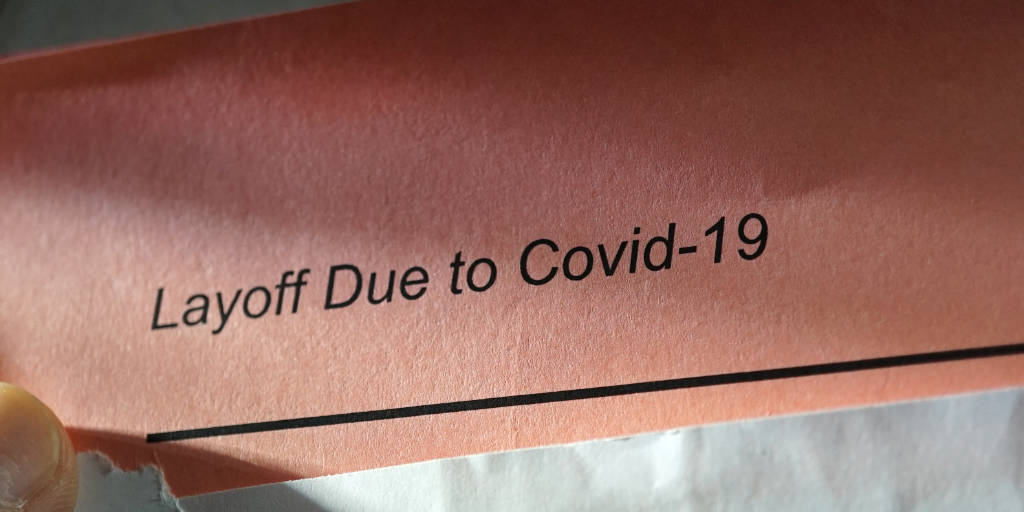
Many BC employers will have issued temporary layoffs to employees with the start of BC’s COVID-19 lock down in March. Soon after the start of the provincial lock down, the BC Government extended the temporary layoff period under the BC Employment Standards Act (ESA) from 13 weeks to 16 weeks for COVID-19 related layoffs. On June 26, 2020, the BC Government announced a further extension to 24 weeks expiring on August 30, 2020.
-
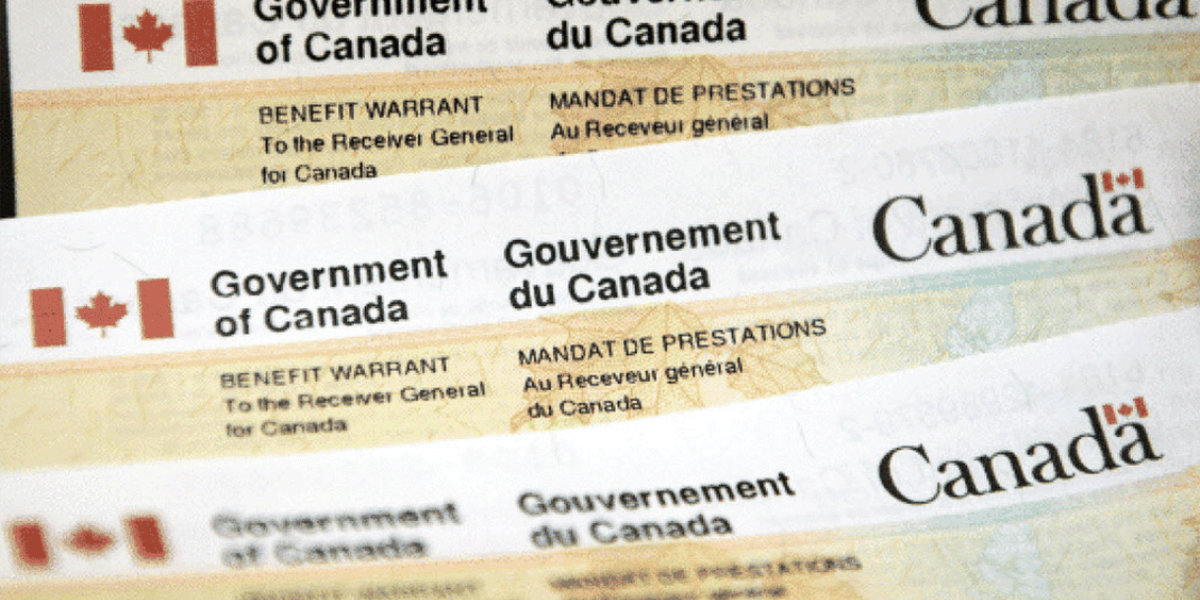
The Canada Emergency Response Benefit (“CERB”) was introduced by the federal government in response to the pandemic in 2020. The program provides financial support to Canadians impacted directly by COVID-19. Terminated employees frequently ask whether these CERB payments are deductible from wrongful dismissal damages. In this post, we reviewed two recent BC Supreme Court decisions where the Court found that the payments were deductible, in particular, the CERB payments “raise a compensating advantage” issue. If the CERB payments were not deducted, the plaintiff would be in a better position than he/she would have been if there had been no breach of the employment contract.